Last updated: 7 October 2026
A hand-painted mural can turn a plain wall into the focal point of a room, but the best ones are planned long before any paint is opened. The choice of wall, the design, the preparation and the finish all affect how the mural looks on the day and how well it lasts. Here's how to plan one, what a decorator and an artist each bring, and what to agree before work starts.
Choose the right wall
Pick the wall your eye naturally goes to when you walk in, such as the wall behind a bed, a sofa or a dining table. A wall with good light and a clear view works better than a cramped corridor. Think about what will sit in front of it, because a large piece of furniture can hide the lower part of the design. Avoid walls with damp problems or heavy steam and splashes, such as behind a cooker or beside a shower, unless the wall is protected and the paint is chosen for it.
Decide on the design and style
Start with how you want the room to feel: calm, playful, dramatic, traditional. Gather reference images, and think about scale. A single large image behaves very differently to a pattern repeated across the wall, and a detailed scene needs space to be read. The design should work with the colours already in the room, or you can plan the room's colours around it. Ask for a sketch or a digital visual before any paint goes on, so you can see the design, the size and the colours in place.
Working with a decorator and an artist
Some decorators paint murals themselves, and others work with an artist. Either way, it's worth being clear about who does what. A decorator usually prepares the wall and applies the base coats, while the artist designs and paints the artwork. Ask to see examples of previous murals, and agree the design in writing before work starts. A good project has one person coordinating, so decisions about colour, size and timing don't fall between two people.
Preparing the wall
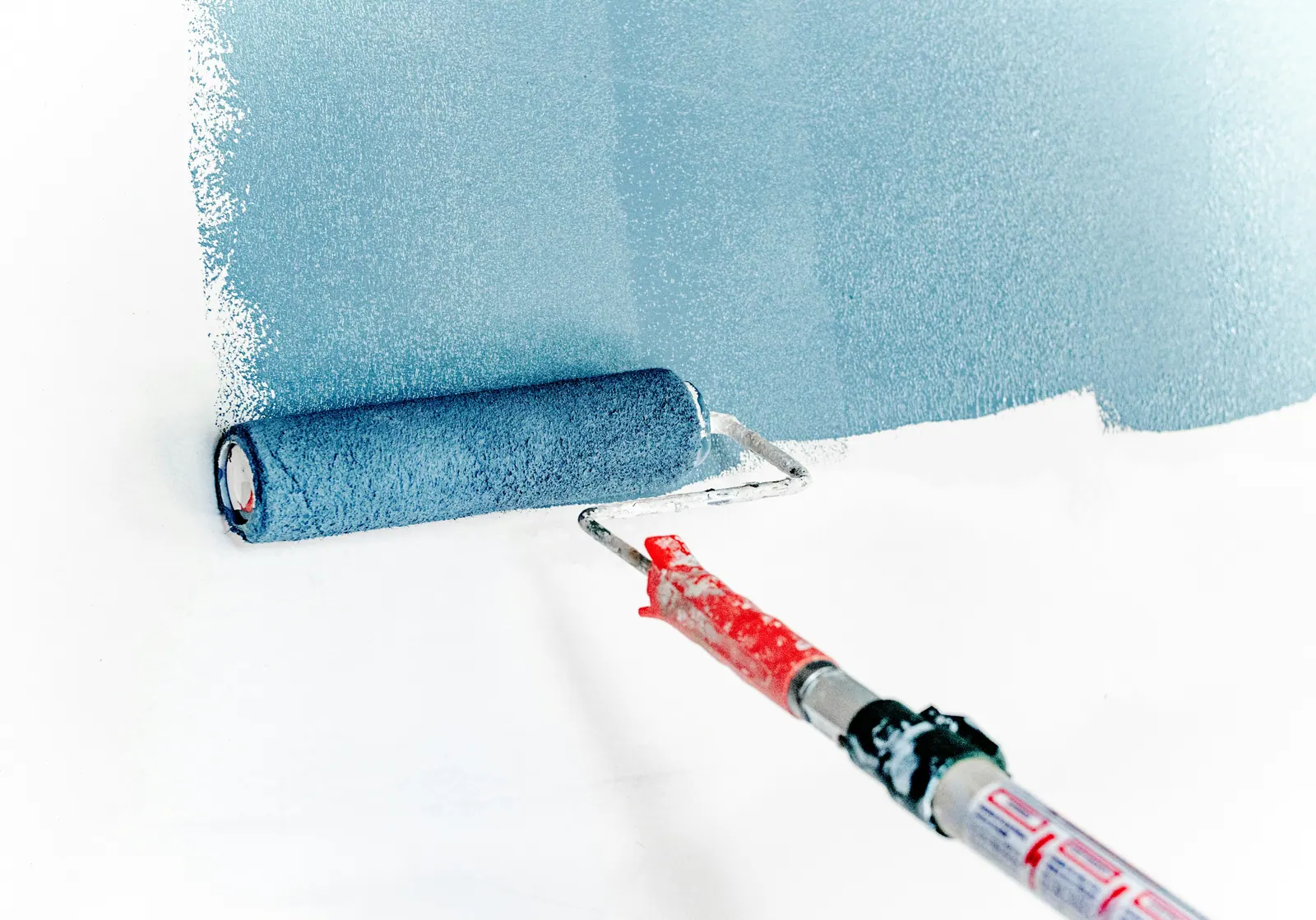
A mural is only as good as the wall underneath. The surface needs to be sound, smooth and clean: cracks filled, loose paint scraped, old wallpaper stripped and any stains sealed. The wall is then primed, and a base coat is applied in the right colour for the design, because the base colour affects every colour on top. A matt or low-sheen base gives the artwork something to grip and avoids reflections that make the design hard to see.
Paint and finish
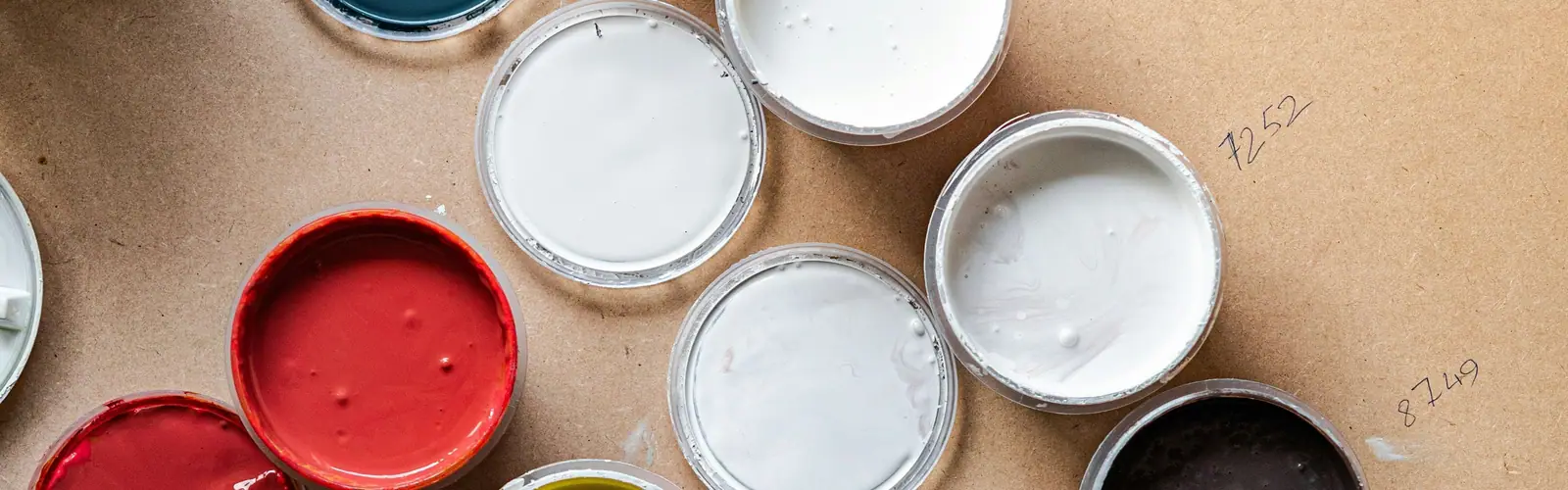
Artists use a range of paints, including water-based emulsions and acrylics. The choice depends on the design, the room and the amount of wear. In a hallway or a child's room, a protective clear coat can make the surface easier to look after, though it can change how the colours look, so ask to see a test area. Water-based paints dry quickly and have less smell, which helps if the room needs to stay in use.
How long does it take?
It depends on the size and the detail. A simple design on one wall can be done in a few days, while a detailed scene can take longer, because layers need to dry before the next goes on. Time also goes on preparation, sketching the design onto the wall and finishing touches. Ask for an estimate, and be wary of a firm date given before anyone has seen the wall.
Protecting the room while the work happens
Floors, furniture and nearby surfaces need to be covered, and the work area needs good light. Clear the wall of pictures, shelves and furniture before the day, and agree access so the artist can work without interruption. Allow for the room to be out of use for part of the project.
Looking after a mural
Once the paint has fully dried, treat it gently. Dust it softly, wipe marks with a damp cloth and avoid scrubbing, which can lift or dull the paint. Keep furniture and sharp objects away from the wall. If it's damaged, small touch-ups are usually possible, so keep a note of the colours used and ask the artist to leave you a small amount.
What to agree before you start
Before work begins, agree:
- the design, the size and where it sits on the wall, ideally with a sketch or visual
- the colours and the finish
- who prepares the wall and who paints the artwork
- the timescale, access and how the room will be protected
- the price, the payment stages and how any changes will be handled
Dreaming of a mural? Use the quote form to tell us about the wall and the style you like, and attach photos of the room and any reference images. We'll come back with a free written quote that sets out the preparation and the painting.